
Lacquer, PVC or Melamine? Choosing the Right Interior Door Finish
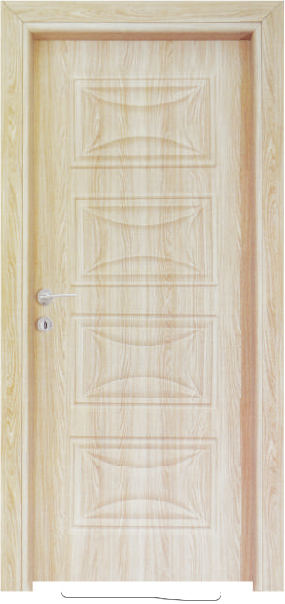
Anyone looking through a door catalogue looks at colour and pattern first. Yet what decides how a door will look in five years is the surface beneath the colour. The same white ages one way on a lacquered door and quite another on a PVC-wrapped one.
In this article we compare the three finishes we are asked about most, based on where each one works best.
Lacquer: for the look
Lacquer is a paint system applied in layers, with sanding between each coat. The result is a smooth, deep surface that reflects light beautifully. It stands out in projects where a custom colour is needed and the architect chooses every shade.
Worth knowing: knocks leave visible marks on a lacquered surface. Touch-ups are possible but take skill, so think carefully about homes with small children, busy corridors or hotel floors where suitcases often bump the doors.
PVC wrap: for heavy use
On PVC-wrapped doors, the pattern or colour is in a thin foil that wraps the surface. It stands up well to moisture and daily cleaning, and wood grains can look very realistic. It is a frequent choice for housing, dormitories and hospitals, where hundreds of identical doors are needed and price and durability must be balanced.
Worth knowing: wrap quality and application matter so the foil doesn’t lift at the corners. Always check the corners and edge joints on the sample door.
Melamine: for a simple, economical solution
A melamine surface is a decorative layer bonded to the board at the factory with heat and pressure. It resists scratches well and gives a clean look on flat, simple designs. It is a smart way to keep budgets under control in offices and rental housing.
Worth knowing: options are more limited for moulded or grooved models. Flat panels and modern lines work best with melamine.
A short roadmap
- Design-led homes, boutique hotels, custom colours: lacquer
- Heavy use, areas near wet rooms, high-volume projects: PVC
- Simple lines, tight budgets, offices and rental housing: melamine
- Different areas in one project: don’t hesitate to mix finishes
One last tip: see the sample in the room’s real light before deciding. A shade that looks warm under showroom lighting can look completely different in a north-facing room. At our Istanbul showroom you can compare finishes side by side and request samples for your project.