
A Door Procurement Guide for Contractors: From Sample to Final Installation
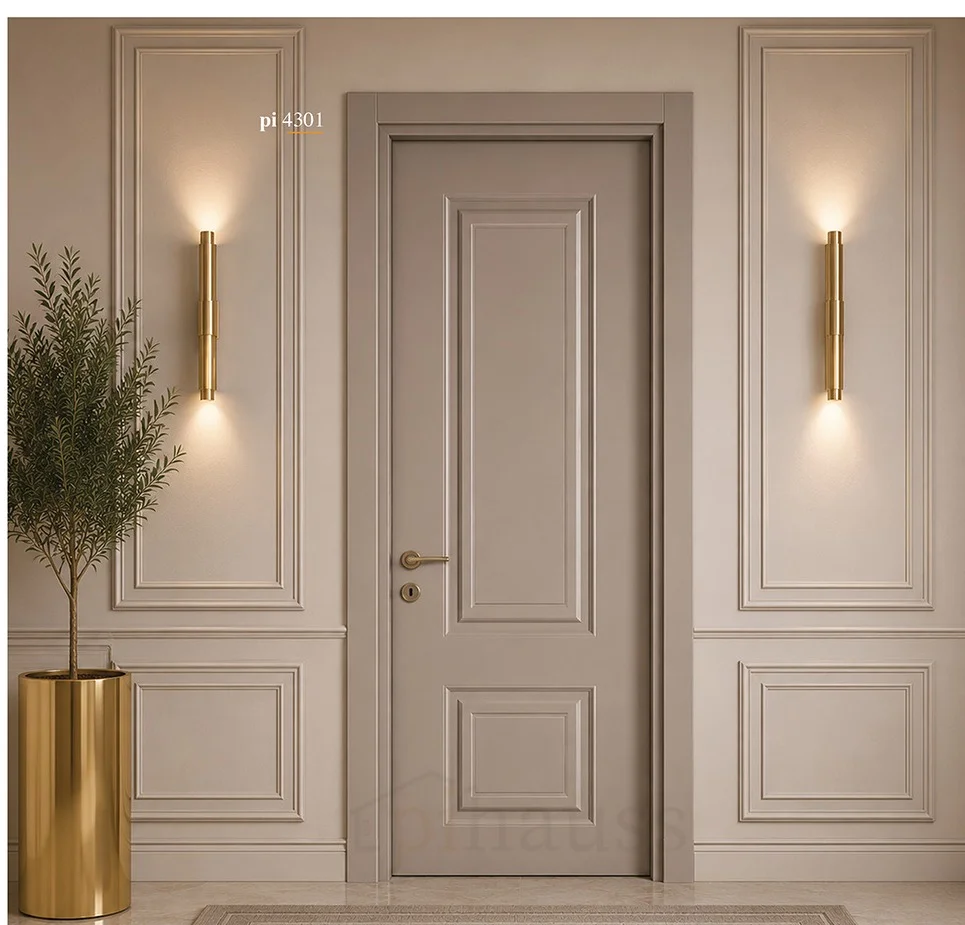
A residential project can have hundreds of doors. Each one looks like a small item, but if they are not all there in the same week, on the right floor and in the right order, the schedule grinds to a halt. Because door supply falls in the final stage of a project, delays are all the more visible.
Over the years we have seen the moments when projects run smoothly and the moments when they get difficult. This guide comes from that experience.
1. Put a sample door on site
Installing one sample of the chosen colour and model in a real apartment is worth far more than an approval given at a desk. When the architect, interior designer and client sign off on the sample, you won’t hear “that’s not what we had in mind” later.
2. Code your door list
Giving each door a code carrying its block, floor, apartment and room means everyone speaks the same language from production to installation. When the code is also printed on the packaging, nobody has to hunt for doors on site.
3. Split deliveries into blocks
Having every door arrive on site on the same day creates a storage problem and increases the risk of moisture, knocks and loss. Planning deliveries block by block or floor by floor, in installation order, eases the site and reduces damage.
4. Prepare site conditions
If doors arrive before plastering and painting are finished and before windows are fitted, moisture and dust will damage them. Rooms that are closed, dry and clean before installation are what keep a door looking as it did on day one.
5. Define the installation team early
Who installs, at what stage the frames go in and who is responsible for damage should be agreed in writing from the start.
6. Inspect together at handover
Once installation is complete, opening and closing, lock and handle adjustment and any surface damage should be recorded on a shared checklist. Non-conformities noted on the day are also resolved faster.
Summary checklist
- A sample door approved on site
- A coded door list and labelled packaging
- Deliveries split by installation sequence
- A dry, closed and clean installation area
- A written installation and responsibility plan
- A joint inspection report at handover
Pihauss has been making doors since 1955. We produce made-to-measure at our factories in Kastamonu and Afyonkarahisar and plan project deliveries from our showroom and warehouse in Istanbul. Send us your project’s door list and we’ll draw up the production and delivery plan together.